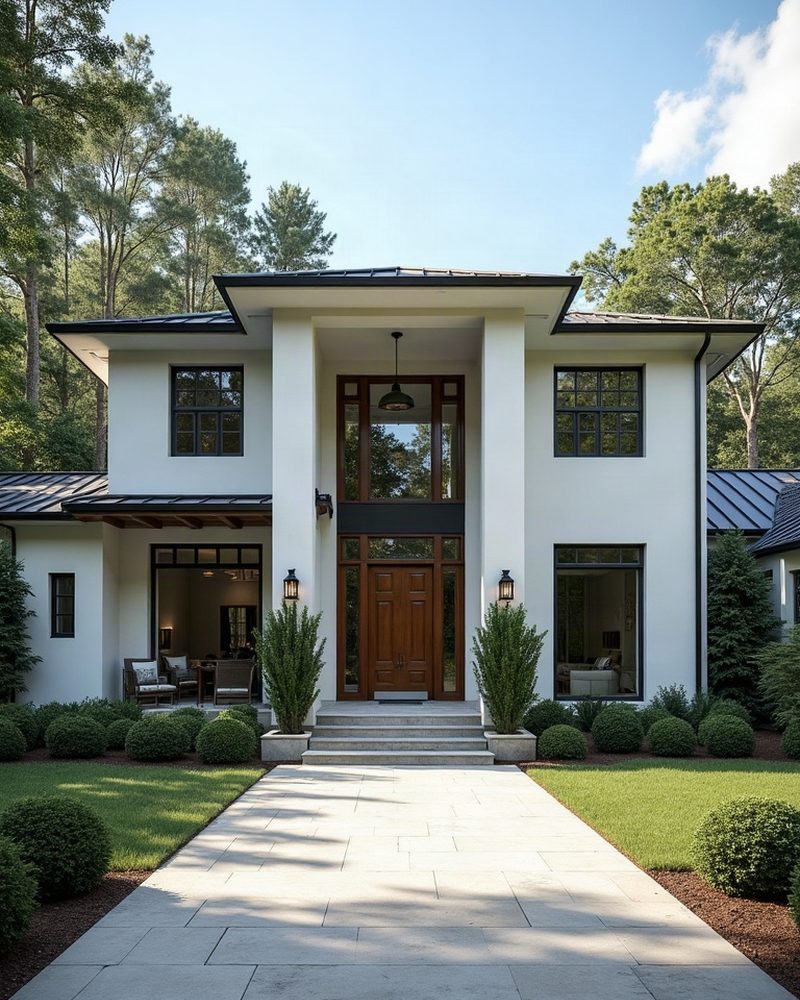
Forsyth County GA continues to attract buyers for its strong schools, growing job access, and variety of neighborhoods from new-construction communities to long-established lots with mature trees. Whether you are preparing to buy or sell, understanding the local signals that move price, demand, and timing is the most reliable way to make a confident decision that performs well now and holds value over time.
Start with the neighborhood level not just the county level. Forsyth County contains distinct markets — Cumming, Suwanee edges, South Forsyth pockets and more — each with different buyer pools and seasonality. Recent resale activity in a specific subdivision, new schools or road projects nearby, and the presence of active builders in adjacent communities change buyer expectations and the price buyers will pay. When comparing homes, look at comparable sales from the last 60 to 120 days in the same micro-market rather than county-wide averages.
Price per square foot and days on market are more meaningful when filtered to the right product type. New construction, townhomes, and traditional resale homes each have their own demand curves. For sellers, pricing competitively on day one attracts the most showings and often produces stronger offers; for buyers, knowing where a listing sits relative to recent closed sales helps you present offers that win without overpaying.
Schools still matter. Forsyth County schools are a major driver for many buyers and can create long-term resale strength. Research current and projected school boundary maps and understand that a popular school assignment can produce consistent buyer demand regardless of broader market swings. For buyers who value top-rated schools, flexibility on commute or lot size can be part of a winning strategy.
Commuting and remote work patterns are reshaping demand across Forsyth County. Buyers who need daily access to Atlanta or other employment centers often prioritize proximity to GA-400 and major arterials, while remote workers trade commute savings for more private yards, finished basements, or dedicated home offices. Sellers can highlight features that match those buyer priorities when marketing: dedicated office spaces, high-speed internet availability, and flexible living areas.
When planning improvements, choose projects that deliver measurable return and broader buyer appeal. Fresh paint in neutral tones, deep cleaning, professional photos, and a strategic first-impression landscape touch-up are cost-effective. Larger projects like kitchen remodels or major additions pay off in select micro-markets and only when they align with comparable homes. Consider a pre-list inspection to eliminate last-minute renegotiations and to price with confidence.
For buyers, new construction can simplify closing timelines and provide modern systems and warranties, while resale homes often offer established landscaping and mature neighborhood character. Negotiate with a clear understanding of builder incentives, upgrade pricing, and lot premiums. For resale, be prepared to act quickly when you find a move-in ready home in a preferred school zone or neighborhood.
Marketing today is digital-first. Listings that combine quality photography, virtual tours, accurate floor plans, and neighborhood guides reach the right buyers sooner. Syndication across major portals plus targeted local advertising—geotargeted social ads toward Atlanta-area relocators or employer-specific audiences—brings motivated traffic. For sellers, working with
